Daily lenses
They are discarded after a single wear and need no overnight storage. That can be practical for sport, travel or occasional use.
About daily lenses
FREEDOM, FITTED PRECISELY.
When no frame limits your view, vision can move with you more easily — in everyday life, in sport and in moments when glasses would get in the way. For that freedom to feel natural, the lens has to suit your eye and your life.
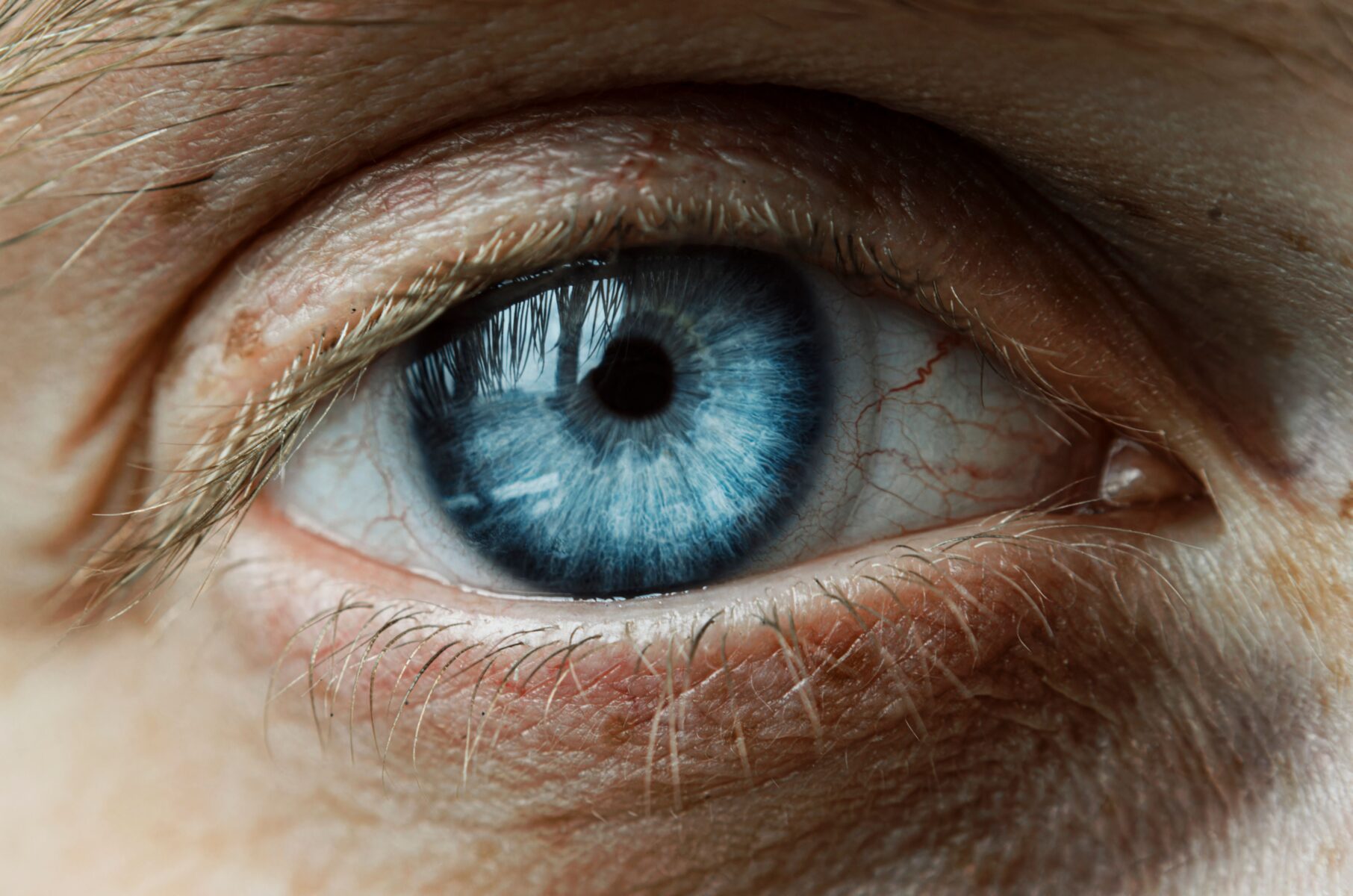
A contact lens sits directly on the eye. That is why it isn’t enough to transfer the values of a pair of glasses onto a box of lenses. Corneal shape, tear film, material, geometry and fit together decide how a lens moves, stays moist and feels over the intended wearing time.
Just as important is the day it is meant for. Screens, dry indoor air, wind, sport, occasional or regular wear all make different demands. Good contact lens advice therefore starts with questions — not with a product.
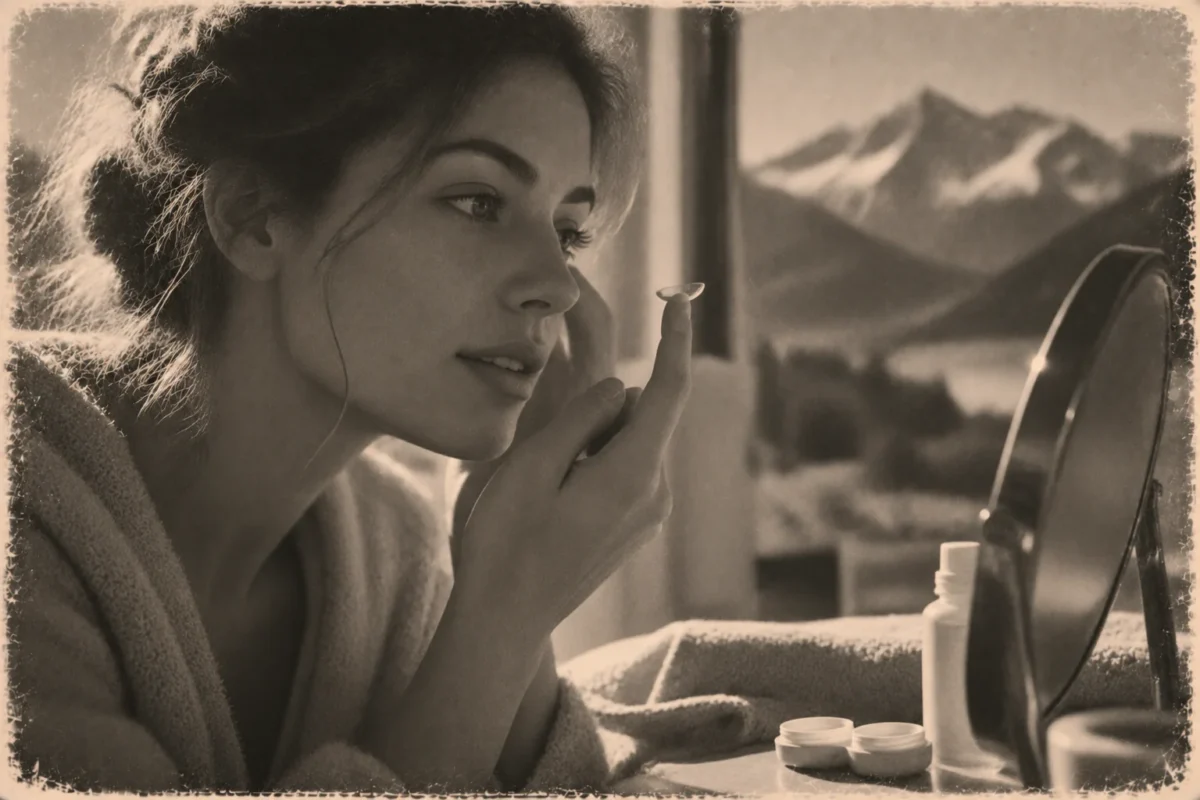
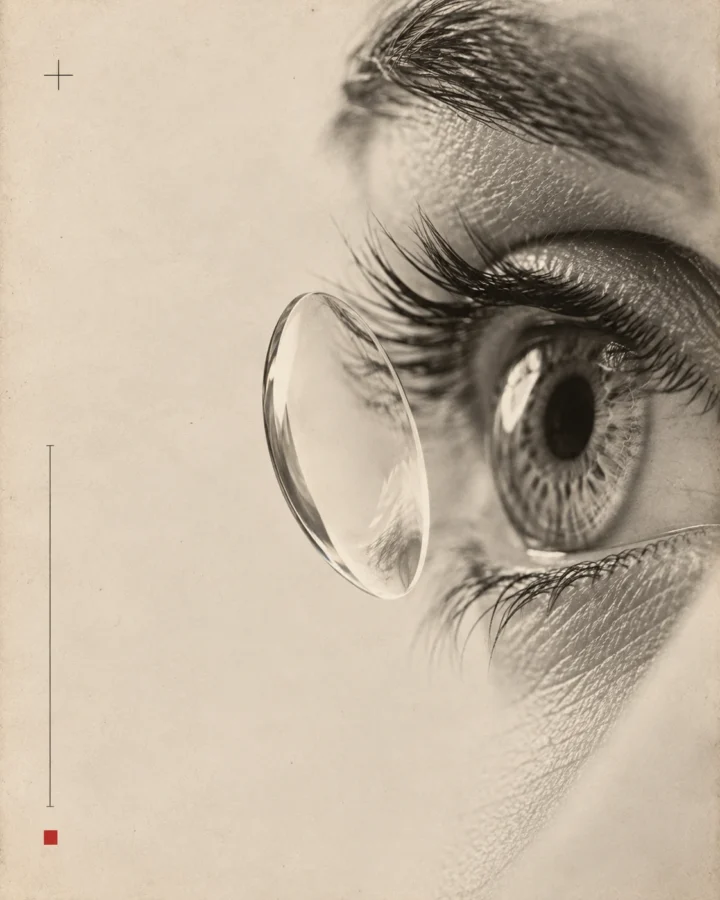
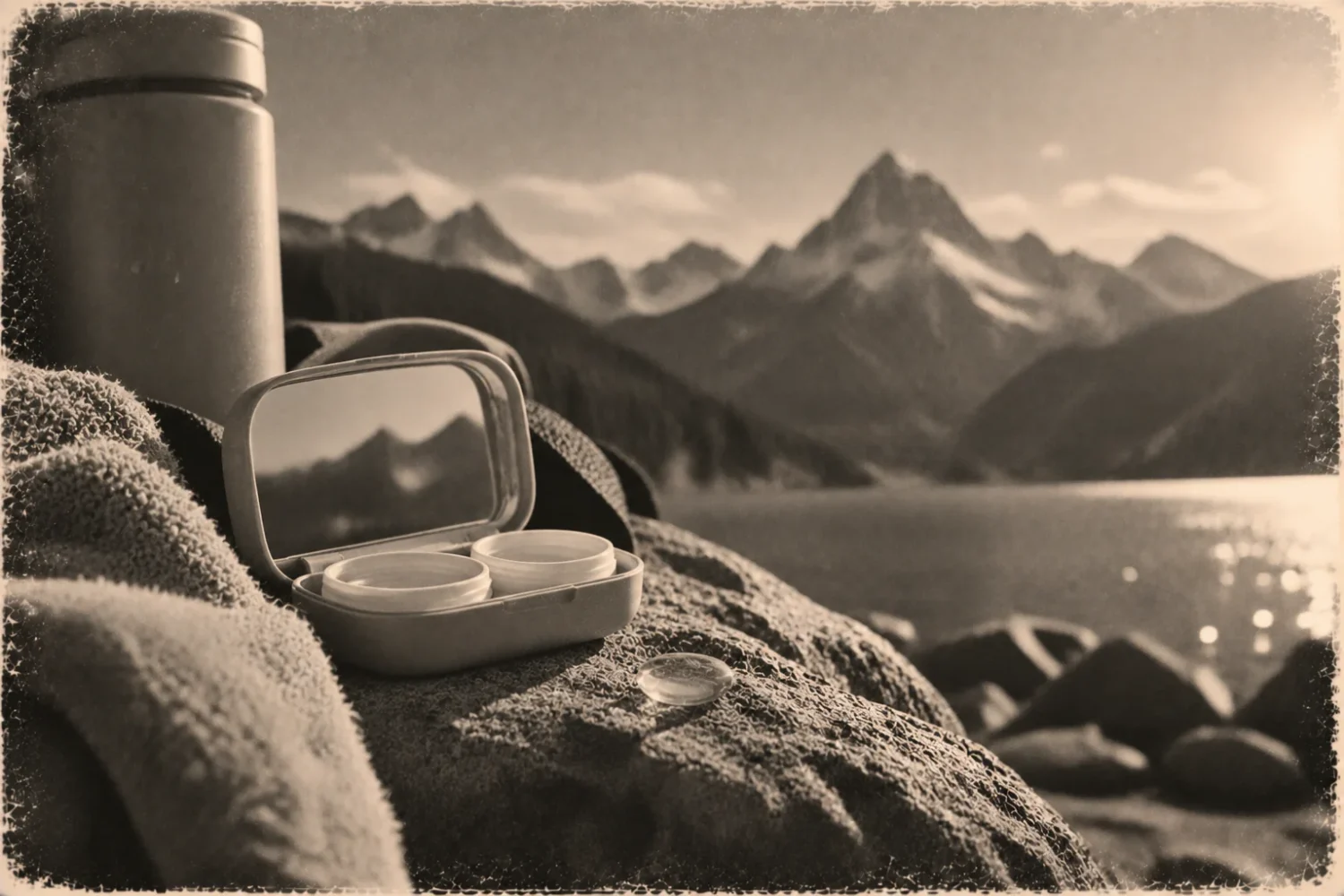
It starts with your visual needs, your experience so far and the situations in which you want to wear contact lenses. I record the relevant prescription values, look at corneal shape and tear film and choose suitable trial lenses from there. What matters is not only their strength, but how they actually sit on the eye.
Once the lenses are in, I check position, movement and coverage, test your vision with the lens in place and refine the correction where needed. The fitting also covers safe insertion and removal, hygiene, care and clear guidance on wearing and replacement times. A follow-up after a realistic wearing period shows whether the solution holds up in everyday life.
How the fitting worksDIFFERENT DAYS. DIFFERENT LENSES.
Lens types give a first direction. Which one suits you only becomes clear from your eyes, your visual tasks, your wearing rhythm and your care routine.
They are discarded after a single wear and need no overnight storage. That can be practical for sport, travel or occasional use.
About daily lensesThey are made for regular wear within the intended replacement interval. Cleaning, suitable care and a reliable routine are part of every day.
About monthly lensesThey can correct astigmatism. For that, their axis position on the eye has to stay stable and be checked under real conditions.
Understand toric lensesThey combine information for near and far. The fitting follows your visual priorities and often needs time, comparison and a follow-up.
Understand multifocal lensesA category is not yet a fitting. Even lenses of the same type differ in material, geometry, edge design and behaviour on the eye.
Handing over the first lenses is not the end of the fitting. At the follow-up I assess vision, fit, movement and surface after a realistic wearing period. If your routine, comfort or visual needs change, a different wearing schedule, another material or a new fitting can make sense. Straightforward reordering depends on the lens having been fitted safely first.
Hygiene and the agreed wearing times remain part of the solution. Lenses and cases are never cleaned with tap water; care, replacement and any breaks from wearing depend on the specific lens and your personal recommendation. If you notice pain, marked redness, strong sensitivity to light or a sudden drop in vision, take the lens out and have the cause checked promptly by an optician or an ophthalmologist.
Often, yes. Toric contact lenses can correct astigmatism. What matters is that strength, axis position and fit on the eye work together steadily and are checked.
Yes. Multifocal contact lenses spread visual tasks across several distances. Whether they suit your visual priorities becomes clear through the fitting, trial lenses and a follow-up.
That depends on how often you wear them, your eyes, the material, how much care you are willing to invest and your everyday life. Daily lenses are discarded after a single wear; monthly lenses need consistent daily care throughout the intended replacement period.
After a conversation and measurements, suitable trial lenses are put in. I check fit and vision, practise handling with you and assess the solution again at a follow-up.
Take the lens out rather than ignoring the discomfort. If redness, pain, sensitivity to light or changed vision persist, have the cause checked promptly by an optician or an ophthalmologist.